From Figma to the App Store
How I shipped my first iOS app as a designer with Figma MCP and Claude Code

I just shipped my first iOS app.
It’s called Try/Keep, and it solves a problem I’ve had for years.
The loop that never closes
Someone recommends something to you. You’re interested and you either try to remember it or you quickly jot something down. Then you forget who told you, or why they loved it, or what it was even called.
Three weeks later you’re trying to remember that restaurant your friend mentioned. You know they mentioned one. You want to go try a new restaurant tonight but the thing is lost.
The recommendation is gone. Your friend never hears back. The loop never closes.
And even when you do try something, maybe you forget to tell the person who recommended it. They shared something they genuinely cared about. You finally got around to it. It was great. They were right.
But they never hear back.
What Try/Keep does
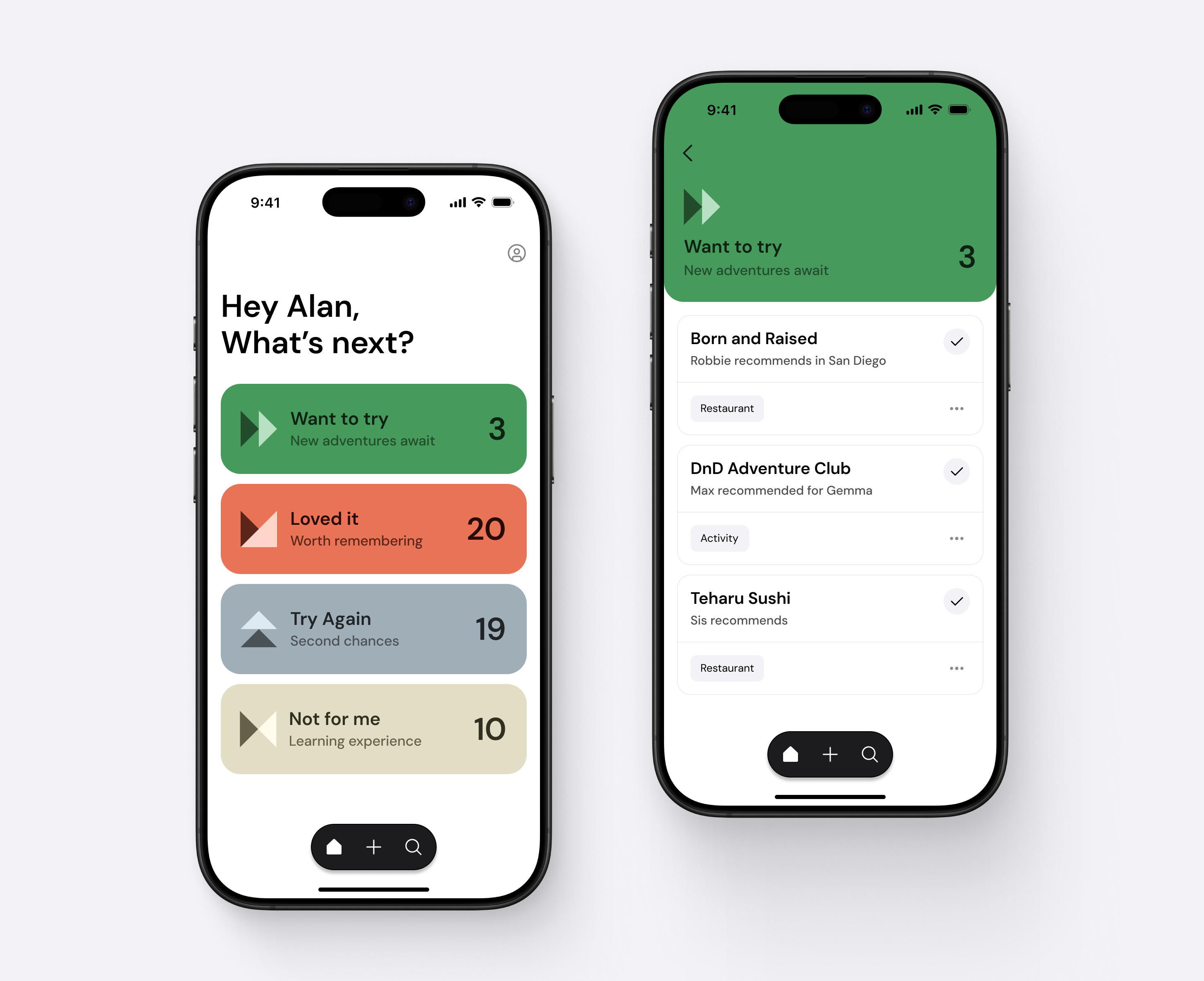
It’s simple. When someone recommends something, you capture what it is, who told you, and why they recommend it.
Everything starts in “Want to Try”. Your queue of things you’re excited about.
When you finally try something, you move it:
Loved it: These are your faves.
Try Again: Something was off, but you definitely want to try again.
Not for me: You’ll pass on this one.
When you love something, one tap opens a pre-filled message you can personalize: “Hey Ryan, finally tried Noble Experiments like you suggested. It was so cool how they made a custom drink just for me.”
The loop closes. They feel good. You feel good. The relationship gets a tiny bit stronger.
Why it’s different
Right now you’re probably storing recommendations in a note on your desk, emailing yourself, texting yourself, adding something to Apple Notes and forgetting who told you or why. The context disappears. The recommendation becomes a line item with no story.
Try/Keep gives you a system. Who told you, why they loved it, and what happened when you tried it. All in one place.
Most recommendation apps optimize for collection. Try/Keep optimizes for connection. When someone recommends something, they’re sharing a piece of themselves. Your response, or lack of one is part of your relationship.
How I built it
I chose React Native with Expo. I’m familiar enough with React, and Expo lets me build a native iOS app without dealing with Xcode, native modules, or platform-specific setup. I focus on the product, it handles the rest. And I can ship to Android later without rebuilding.
The workflow:
Sketched a rough prototype first — Built a quick prototype in Claude just to feel the flow before investing in proper design.
Designed everything in Figma — Built a design system with tokens for colors, typography, spacing. Components with variants.
Wrote a human-readable brief — Documented what the app does and how it works, like I’d explain it to a coworker. Here’s the thing: writing clearly for humans also works for LLMs.
Set up context in Claude Code plan mode — Pointed it to my brief, used Figma’s mcp to import the design system, and added references to Apple’s Human Interface Guidelines and Expo’s docs. Included a few rules in the plan as well: if I violate any ios patterns, point it out and ask what I want to do.
Built each core loop with Figma MCP + plan mode — For each feature, I’d draft what the loop does (focusing on what the user is trying to accomplish), link the Figma designs via Figma MCP, and had Claude Code build it.
I also prompted that if we use anything more than once, turn it into a component. Everything uses semantic tokens.
About a month later (part-time, evenings and weekends), it was in the App Store.
What surprised me
The dumbest bug was my fault. I spent hours debugging “Product not found” errors for in-app purchases. The problem? I’d never finished setting up my business details in App Store Connect. The product literally didn’t exist because Apple didn’t know who I was yet.
The workflow actually held up. I was skeptical Figma MCP + plan mode would work for a real project. I’ve used it for prototypes and smaller flows, but it held up fantastic with the right context. The designs looked and functioned exactly how I wanted. The code matched the specs. I’ve been using this context + design context layer since.
Users wanted an algorithm, until they didn’t. During TestFlight testing, some people suggested adding smart recommendations. But when I explained the reason behind it, your data is yours, no algorithm in the way, they actually preferred it. They were used to apps suggesting things. Once they understood the alternative, they wanted the control.
No AI. No tracking. No login. No algorithm.
Your data stays on your device. Your tries are your own.
Just recommendations from people you actually know and trust. Not what some feed thinks you should see.
The bigger point
Designers can just build stuff now. The tools have changed.
Not “designers can prototype.” Not “designers can make demos.” Designers can ship real products to real app stores.
The gap between “I have an idea” and “it’s in the App Store” is measured in weeks now, not months.
Try/Keep is completely free. Give it a Try and let me know what you think.